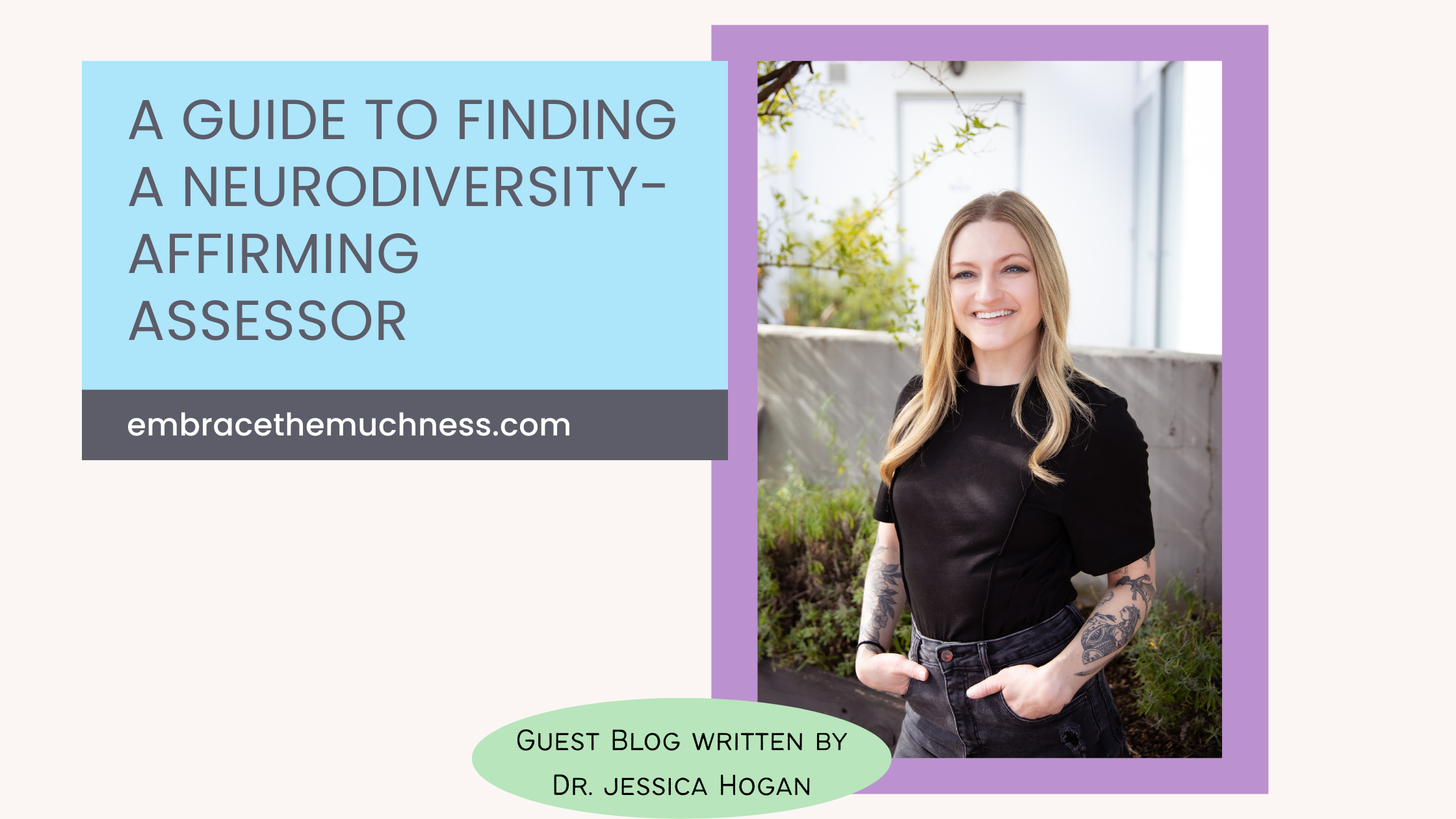
A Guide to Finding a Neurodiversity-Affirming Assessor
You’ve probably been here before. Typing “autism assessment near me” or “ADHD evaluation for adults” into Google… and immediately feeling a mix of hope, dread, and please don’t let this be another person who doesn’t get it. Maybe you’ve been dismissed before. Maybe you’ve been told you’re “just anxious.” Maybe you’ve gotten really good at explaining yourself in a way that makes other people comfortable—but leaves you feeling wildly misunderstood. Maybe you’ve spent years in therapy trying to fix something that never quite made sense in the first place. And now you’re here wondering if this could be the missing piece… while also bracing yourself for the possibility that it won’t be.
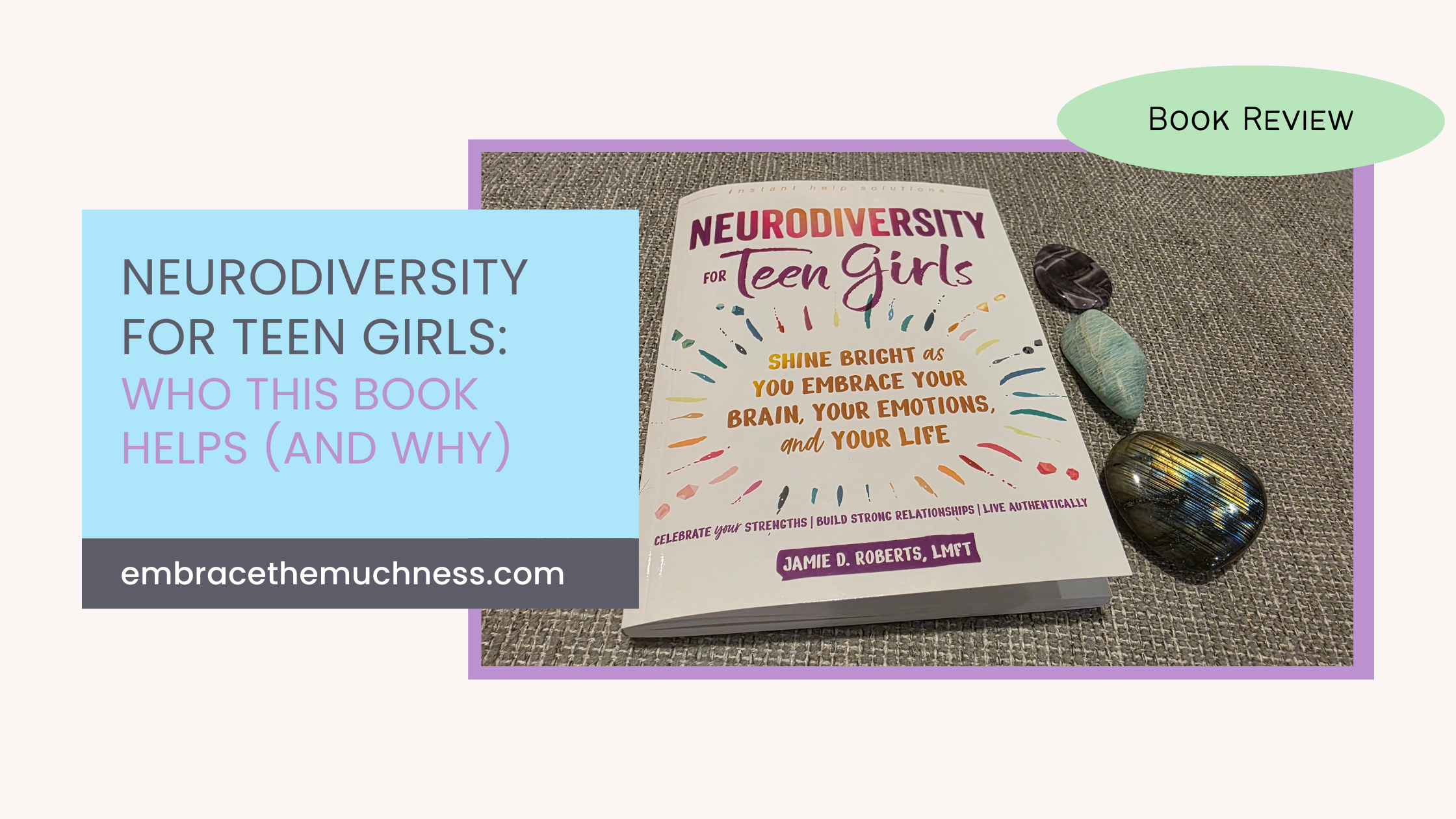
Neurodiversity for Teen Girls: Who This Book Helps (and Why)
If you’ve been searching for books for autistic, ADHD or otherwise neurodivergent teen girls, or wondering how to better support a neurodivergent teen in your life, this is one worth paying attention to.
I’m genuinely glad this book exists for today’s teens.
I’m both a psychotherapist and ADHD coach who was diagnosed with ADHD in adulthood, and I’m also a parent of two neurodivergent girls (one of whom is a tween). While reading Neurodiversity for Teen Girls, I couldn’t help but think about how meaningful a resource like this would have been for my younger self. Teenage me, who didn’t yet know she had ADHD, would have deeply valued seeing her experiences reflected and validated. This book offers exactly that.

Guide to Finding a Neurodiversity-Affirming Provider
The neurodiversity movement has gained substantial traction in recent years. As more neurodivergent individuals are becoming aware of and are drawn to the neurodiversity paradigm, they are wanting to seek out providers that understand and practice from a neurodiversity affirming approach.
As an example, ADHD is one neurotype of many that fall under the neurodivergent umbrella. ADHDers struggle with being able to think, communicate, and process information in neuronormative ways. Consistently not being able to meet these ascribed social norms can lead to shame, low self esteem, loss of sense of self, people pleasing, isolation, loneliness and more. Having support professionals who understand and can validate the ADHDer's lived experiences can be invaluable.

A Guide to Becoming a Neurodiversity-Affirming Helping Professional
Learn the fundamentals of becoming a neurodiversity-affirming helping professional. Free download.

What is neurodiversity?
Learn more about the term neurodiversity and what it means. Sign up to receive a free ADHD/Neurodiversity Glossary of terms!

Sign up for the “Muchness Matters” newsletter from Embrace the Muchness to receive a free ADHD/Neurodiversity Glossary & Acronym Resource!
Newsletter is sent 1-2x each month and includes ADHD education, resources, and updates on service offerings. You’ll also be notified every time the resource list is updated.