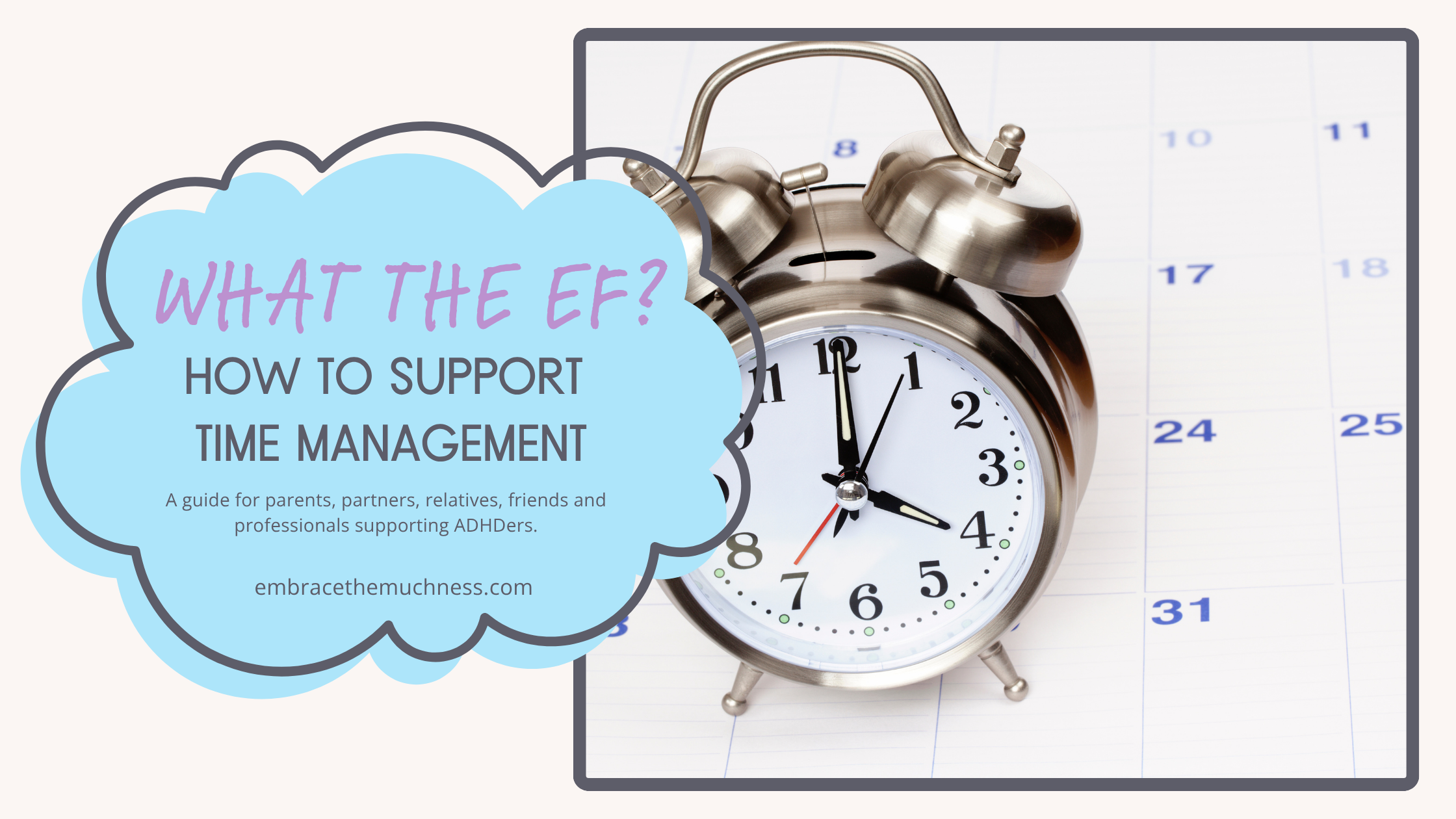
What the EF? How to Support Time Management
When someone consistently struggles with time management, the outside world often interprets it as laziness, irresponsibility, lack of effort, or “not caring enough.” If perceived in this way, it leads to frustration, disappointment, and hurt for others and shame for the ADHDer. In reality, many of these challenges stem from ADHD-related differences in executive functioning, including time awareness, time estimation, attention regulation, task initiation, working memory, and energy management.
Support becomes much more effective when we stop assuming that the issue is a lack of planning ahead, and we actually break down and consider what cognitive skills and information is necessary to effectively time manage.
Let’s talk about what actually helps.
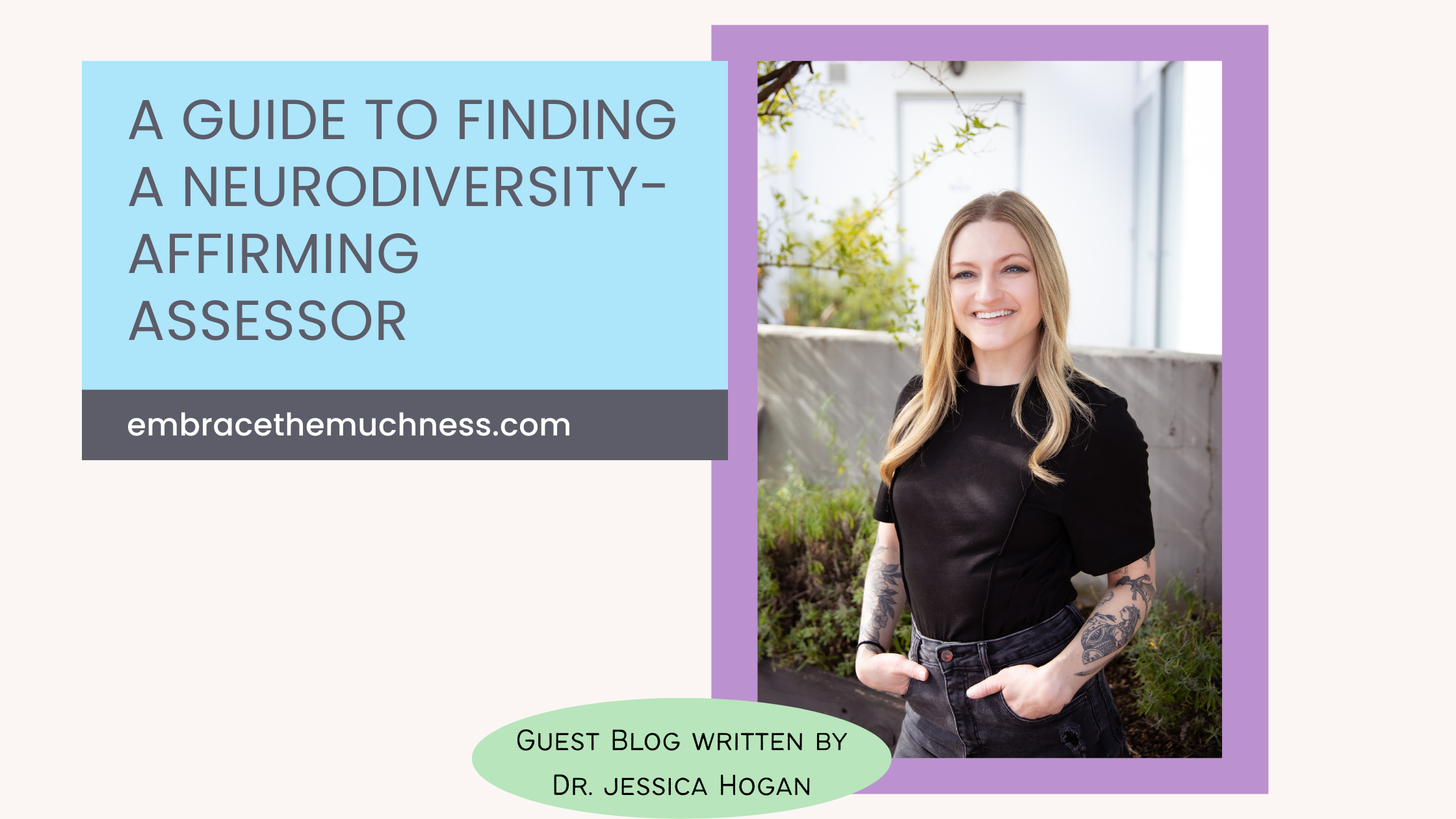
A Guide to Finding a Neurodiversity-Affirming Assessor
You’ve probably been here before. Typing “autism assessment near me” or “ADHD evaluation for adults” into Google… and immediately feeling a mix of hope, dread, and please don’t let this be another person who doesn’t get it. Maybe you’ve been dismissed before. Maybe you’ve been told you’re “just anxious.” Maybe you’ve gotten really good at explaining yourself in a way that makes other people comfortable—but leaves you feeling wildly misunderstood. Maybe you’ve spent years in therapy trying to fix something that never quite made sense in the first place. And now you’re here wondering if this could be the missing piece… while also bracing yourself for the possibility that it won’t be.
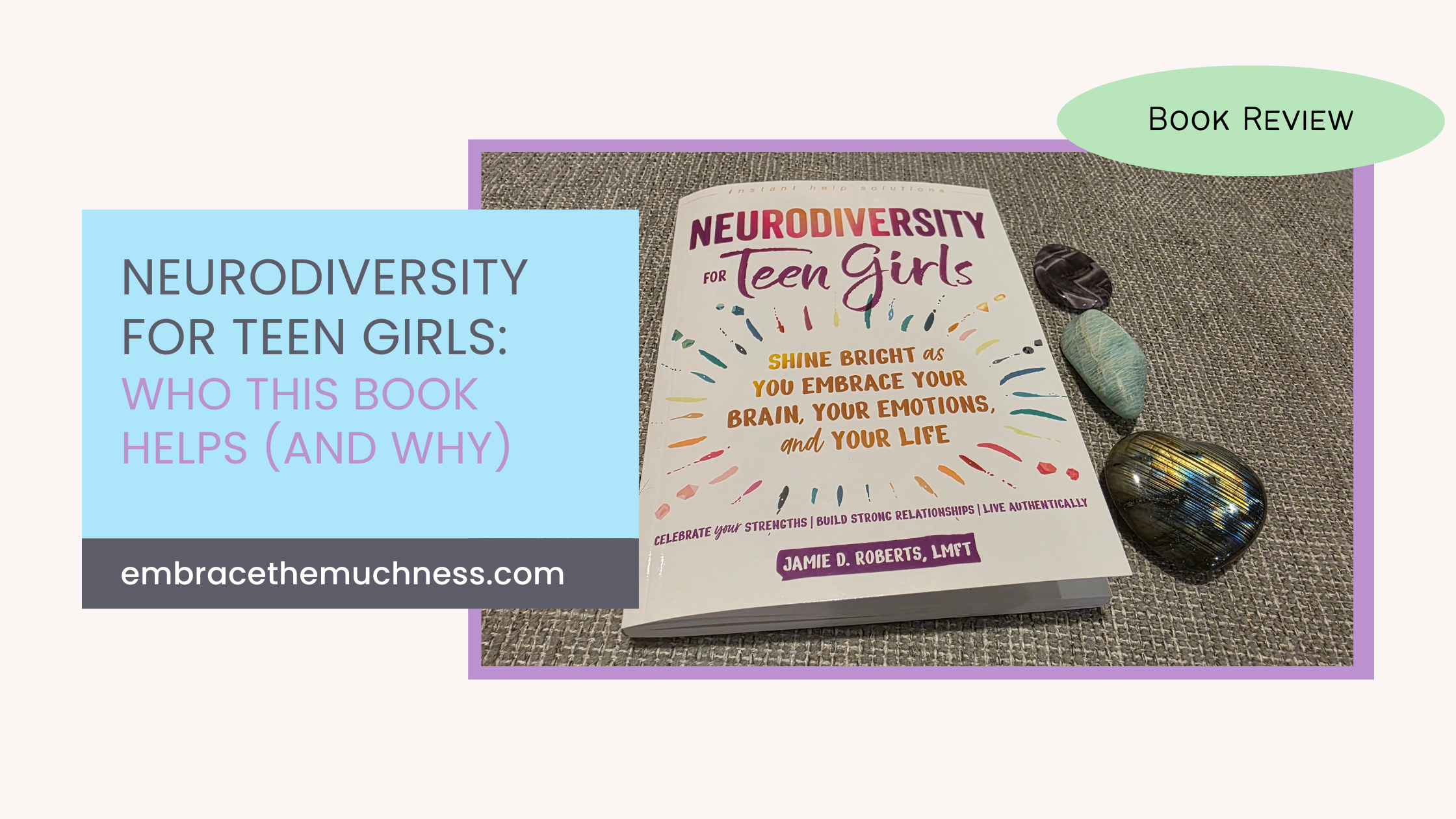
Neurodiversity for Teen Girls: Who This Book Helps (and Why)
If you’ve been searching for books for autistic, ADHD or otherwise neurodivergent teen girls, or wondering how to better support a neurodivergent teen in your life, this is one worth paying attention to.
I’m genuinely glad this book exists for today’s teens.
I’m both a psychotherapist and ADHD coach who was diagnosed with ADHD in adulthood, and I’m also a parent of two neurodivergent girls (one of whom is a tween). While reading Neurodiversity for Teen Girls, I couldn’t help but think about how meaningful a resource like this would have been for my younger self. Teenage me, who didn’t yet know she had ADHD, would have deeply valued seeing her experiences reflected and validated. This book offers exactly that.
Positive Notes for Kids: A 14-Day Connection Activity Parents Can Start Today
A low-effort activity that makes a big impact
A few years ago, I saw a post from HR Mom about a Valentine’s activity parents/caregivers could do for their kids that felt worthwhile and actually doable (even with my own executive functioning challenges) that could counterbalance some of the negative messaging my ADHD kids might receive from myself and others:
The Activity:
Write one thing you love about your child on a paper heart and hang it on their door each night from February 1st–13th.

Hidden Expectations of Gift Giving: A Neurodivergent Guide
Gift giving is often shaped by hidden expectations that are rarely explained. This neurodivergent-affirming guide explores the unwritten rules of gifting and offers gentle ways to navigate them with clarity and intention.
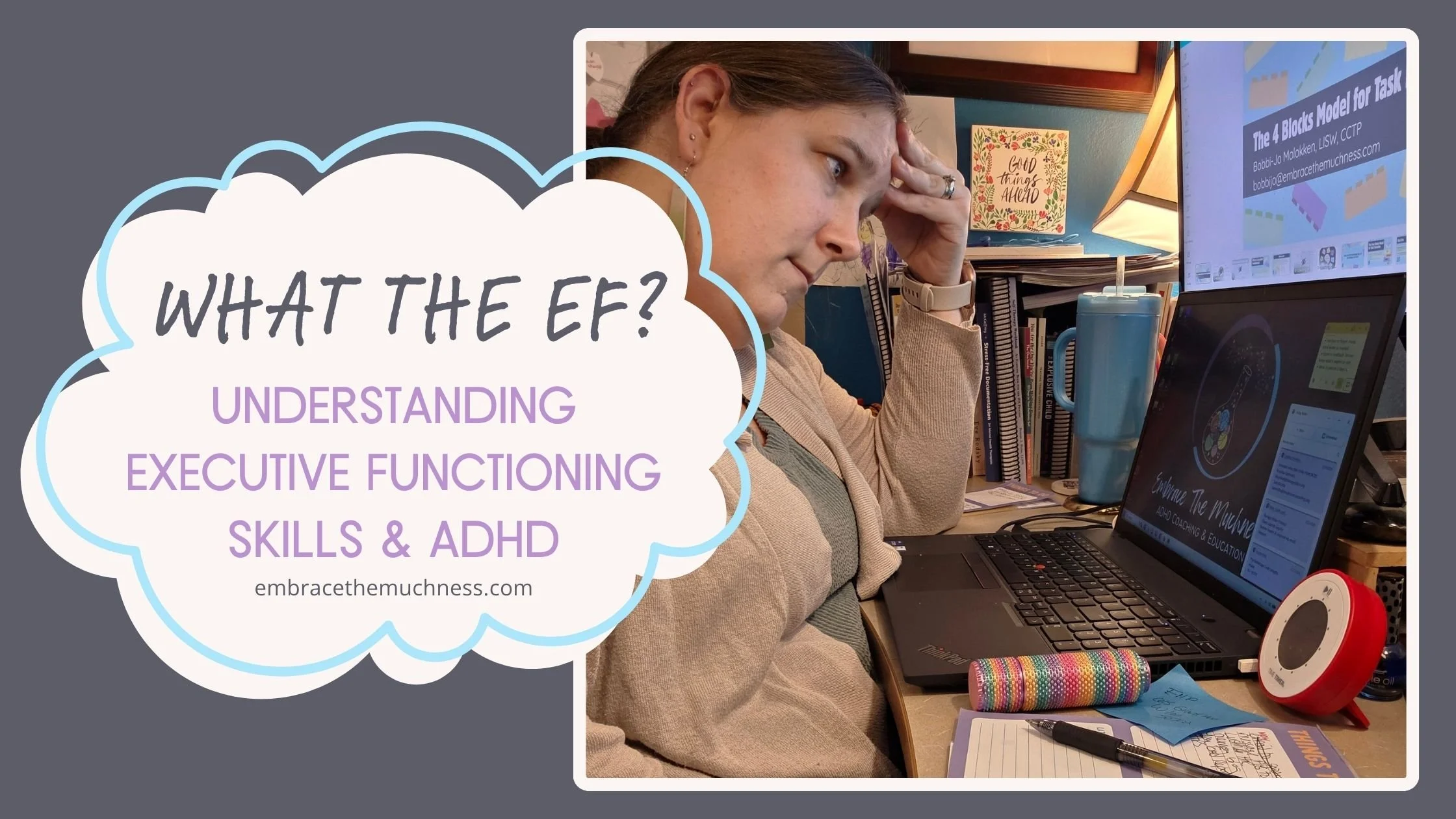
What the EF? Understanding Executive Functioning Skills and ADHD
When people talk about ADHD, the conversation often centers on focus, attention, and impulsivity. As an ADHDer, a parent of ADHD children, and a professional who supports many ADHDers, I see executive functioning skills as the area where challenges show up most. These are the cognitive processes that help us “execute” tasks. Think of them like the executive of a business for your brain: they support goal setting, monitoring progress, following through, analyzing, and adjusting.
For search clarity: you may also see these challenges called “executive dysfunction” online. I use more affirming language here.
This article is an introduction to executive functioning and the eight core skills. It also kicks off a series where I will take a closer look at each skill and share strategies for people who experience challenges in that area.

Back to School Reminders for Parents of ADHD Children
The back-to-school season is a big shift for children and parents alike. New routines, earlier mornings, changing expectations, new social interactions, remembering all of the things, it can feel like a lot all at once, especially for ADHD families.
Whether this is your first year navigating it or you’ve done it many times before, here are some reminders I find myself sharing with parents (and myself!) to keep in mind during the transition period.

The Hobby Graveyard: Navigating the Loss of an ADHD Hyperfixation
For many people with ADHD, hobbies aren’t just casual. They are lifelines to creative expression, self-regulation, and identity. They become a hyperfixation. But what happens when that spark suddenly vanishes? When the thing that once consumed every free moment now gathers dust in a corner of your brain, and your closet?
If you know, you know.

Intentionally Meeting the Need for Novelty with ADHD
A theme I’ve noticed coming up again and again with the folks I support—whether in coaching, therapy, or group settings—is the craving for something new. When brought up, it doesn’t always get recognized in that way, but the pattern is clear: impulsive choices or spending, chasing new hobbies, taking spontaneous trips, constantly seeking new information or learning new skills, changing jobs often, or starting exciting projects but never quite finishing them.
At the root of all of this? A need for novelty. For ADHD brains, this appears to be not just a preference but truly a biological need.

My Top 10 Tech Tools to Support ADHD and Executive Functioning
If you’re looking for tools to help with ADHD, technology can be a powerful support—especially when it comes to common executive functioning challenges like memory, time management, organization, and task initiation.
One of the biggest struggles for adults with ADHD is working memory—remembering what you’re doing, what needs to be done, and when. Over the years, I’ve discovered a variety of ADHD-friendly tech tools that help me stay on track, reduce overwhelm, and free up mental energy.
Below, I’m sharing my personal Top 10 ADHD tech tools that support executive functioning in real life. Whether you’re new to using tech or already use several apps, there may be a new idea or tip here for you.

Using Technology to Accommodate Neurodivergent Needs
Neurodivergent individuals face unique challenges in an ableist world that assumes everyone operates on the same “human operating system.” Just as different computers run on varied operating systems—like Windows, macOS, or Linux—humans have distinct neurotypes that affect how they think, communicate, and interact with the world. While most computers are ultimately capable of similar tasks, each type has unique features and programming language requirements. Similarly, humans share basic functions like thinking and connecting with others, though the expression of these functions varies widely.

Body Doubling: A Strategy for ADHD Task Completion
For individuals with ADHD, completing tasks—especially the ones we struggle with the most—can often feel like an uphill battle. Whether it’s getting started on a work project, studying for a test, writing, paying your bills, doing the dishes, or meal planning for the week, the difficulty in sustaining focus can feel overwhelming. Enter body doubling, a simple yet effective strategy where you work alongside another person for accountability and to increase focus.

Strategies for ADHD: Using a Researcher Mindset
When folks are wanting to work on improving ADHD executive functioning skills, I’ve recently realized just how much my approach to making those changes can be compared to an analogy of conducting a research project. In research, you start by identifying a question or problem you want to explore, and the same applies to improving your executive functioning.

Navigating Transitions with ADHD
Transitions, whether big or small, can be particularly challenging for both children and adults with ADHD. From starting a new school year to dealing with last-minute changes in your day, these shifts can disrupt your focus, organization, plan and overall sense of stability. With the right strategies, you can navigate these changes with a bit more ease. Let’s explore how to manage both major life transitions and everyday disruptions.

How to Unclutter Your Mind with a Brain Dump
Having an ADHD brain can feel like your thoughts and mental to do lists are tangled balls of yarn. Some of the thoughts/tasks are from the same ball of yarn, connected in some way, but tangled up in knots and it feels hard to pull them apart. Sometimes there’s other strings of yarn mixed in there, but it feels like it’s all jumbled up together and really hard to unravel.
One strategy that can be helpful when feeling this way is to do a “brain dump”. What’s a brain dump you ask? Think of it as a mental decluttering process where you take all the thoughts, tasks, and ideas swirling around in your head and transfer them onto paper or a digital device. It's a way to take all of those tangled strings of yarn and roll them back up neatly.

Supporting ADHDers with External Processing in the Workplace
Differences in how individuals process and communicate information can pose challenges in the workplace. There are internal and external processors. Individuals with ADHD often struggle with executive functioning skills such as memory, planning, organization, and prioritization. These challenges extend to processing information and ideas, making it essential to understand and accommodate their preferred communication styles in the workplace.
Learn tips to support ADHDers with external processing in the workplace

Using a Google Nest Hub to Support ADHD
A few years ago we decided to purchase a Google Nest Home Hub and put it in our kitchen. It has been one of the most helpful tools for managing some of the difficulties ADHD brings for me. There are other brands and variations of these types of devices, I’m not suggesting Google is better than other brands, it’s just the one I have experience with.

An Introduction to ADHD and Sleep
The majority of individuals with ADHD report some type of difficulty with sleep. The relationship between ADHD and sleep is complex and is multidirectional, meaning sleep issues can impact the intensity of ADHD traits and ADHD traits can impact sleep.
Let’s review some common sleep issues related to ADHD:
Delayed Circadian Rhythms, Revenge Bedtime Procrastination, Sleep Disorders that Co-Occur with ADHD, Role of stimulant medication, sleep issues that mimic ADHD.

Guide to Finding a Neurodiversity-Affirming Provider
The neurodiversity movement has gained substantial traction in recent years. As more neurodivergent individuals are becoming aware of and are drawn to the neurodiversity paradigm, they are wanting to seek out providers that understand and practice from a neurodiversity affirming approach.
As an example, ADHD is one neurotype of many that fall under the neurodivergent umbrella. ADHDers struggle with being able to think, communicate, and process information in neuronormative ways. Consistently not being able to meet these ascribed social norms can lead to shame, low self esteem, loss of sense of self, people pleasing, isolation, loneliness and more. Having support professionals who understand and can validate the ADHDer's lived experiences can be invaluable.

What is neurodiversity?
Learn more about the term neurodiversity and what it means. Sign up to receive a free ADHD/Neurodiversity Glossary of terms!

Sign up for the “Muchness Matters” newsletter from Embrace the Muchness to receive a free ADHD/Neurodiversity Glossary & Acronym Resource!
Newsletter is sent 1-2x each month and includes ADHD education, resources, and updates on service offerings. You’ll also be notified every time the resource list is updated.